
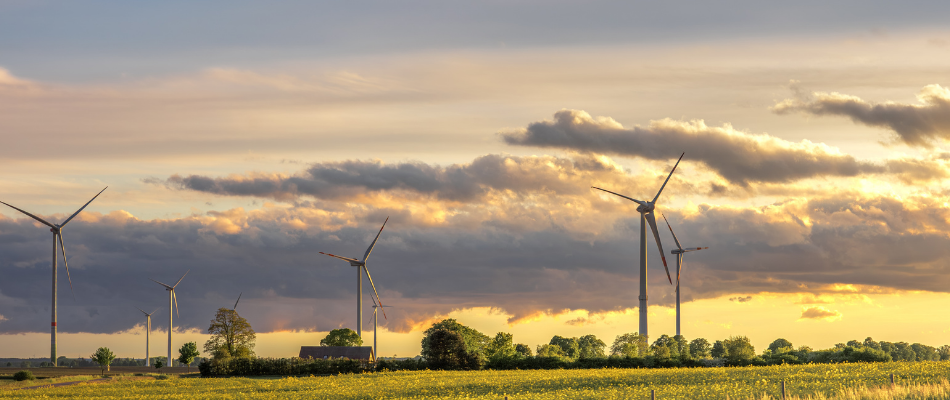
World Standards Day 2026: The Standards Powering Clean Energy
Clean Energy Runs on More Than One Standard
Every 14 October, the International Electrotechnical Commission (IEC), the International Organization for Standardization (ISO), and the International Telecommunication Union (ITU) celebrate World Standards Day on this specific day. This year, the theme of World Standards Day, “a shared vision for a better world,” highlights Sustainable Development Goal 7: Affordable and Clean Energy.
Achieving clean energy sounds simple until you look at the Standards behind it. In practice, affordable and clean energy depends on a stack of standards that work together, covering energy management, grid connection, generation, storage and cyber security. Let’s see how they all fit together to ensure everyone has access to affordable and clean energy.
|
Key Takeaways
|
The Power Behind Progress
Clean energy is not only about generating electricity from cleaner sources. Communities also need that electricity to arrive reliably and safely, without disrupting the digital services and payment systems that depend on stable power. International standards make this possible by giving manufacturers, utilities, installers and regulators a common technical language, so new energy technologies can be integrated without compromising grid stability.
This is why a single project, such as a commercial solar and battery installation, typically needs to comply with several standards at once. One governs how the site manages its energy use. Another governs how equipment connects to the grid. Others cover the generation and storage equipment itself, and the cyber security of the systems that control it.
For organisations working in energy and utilities, electrical engineering and infrastructure, knowing which standards apply and how they relate to each other is essential to delivering on any clean energy commitment.
One Energy Project Complies With Multiple Standards
A single clean energy project can call on standards from several publishers, each covering a different layer of the same system.
- ISO 50001: Energy management systems
ISO 50001:2018 sets out how an organisation can establish and improve an energy management system (EnMS). It follows the same plan-do-check-act structure as ISO 9001 and ISO 14001, so it can be integrated with quality and environmental systems that are already in place. If you look at ISO 50001: 2018, Amendment 1:2024, you’ll see the added requirements addressing climate action.
- IEC 61850: Communication networks and systems for power utility automation
IEC 61850 defines how devices in a substation exchange information, supporting interoperability between equipment from different manufacturers. It works alongside IEC 62351, which addresses the security of that communication. Because grid connection is also subject to national rules, IEC 61850 is usually implemented together with a region's own connection standard, covered below.
- IEC 61215 and IEC 62933: Generation and storage
IEC 61215, Terrestrial photovoltaic (PV) modules – Design qualification and type approval sets the test sequence for solar panels. If they pass, it shows they can withstand long-term outdoor use, covering both crystalline silicon and thin-film module types. Meanwhile, IEC 62933, Electrical energy storage (EES) systems is a multi-part series that covers terminology, performance testing and safety for storage technologies, including the battery systems increasingly paired with solar generation.
- IEC 62443: Security for industrial automation and control systems
IEC 62443 is a multi-part series addressing the security of industrial automation and control systems, including the operational technology used in power generation and grid infrastructure. It defines roles for product suppliers, system integrators, service providers and asset owners, and is referenced alongside IEC 61850 and IEC 62351 in guidance on securing substation communication.
How Energy Projects Look Across Regions
Grid connection requirements are set nationally, so the same generation or storage project follows different rules depending on where it is located.
| Region | Standards | What it covers |
|---|---|---|
| APAC (Australia/NZ) | AS/NZS 4777.1:2024 and AS/NZS 4777.2:2020 | Installation requirements, and inverter device and testing requirements, for grid connection at low voltage. |
| EMEA (Europe) | EN 50549-1:2019/A1:2023 | Protection functions and operational capabilities for generating plants connected to LV and MV distribution networks. |
|
AMER (United States) |
IEEE 1547-2018 | Interconnection and interoperability requirements for distributed energy resources connecting to electric power systems. |
Inverter standards differ by region, but they share one goal: keeping inverter-based generation safe for the grid.
- Australia and New Zealand: AS/NZS 4777.2:2020 sets device and testing requirements for inverters connecting at low voltage. AS/NZS 4777.1:2024 covers installation.
- Europe: EN 50549-1:2019/A1:2023 sets protection and operating requirements at low and medium voltage.
- United States: IEEE 1547-2018 sets interconnection requirements for distributed energy resources.
Common Challenges When Working With Energy Standards
Three issues come up often for organisations managing energy standards across multiple projects.
1. Assuming an international standard is enough. International standards set the baseline, but many projects must also meet national requirements. These are not interchangeable, so confirm which standards apply in your location before work begins.
2. Working from an outdated version. Standards are often amended after they are published. Teams that rely on the original version can miss new requirements added later.
3. Treating cyber security as a separate step. Cyber security standards are now considered together with electrical design, not after it. Digital and electrical systems are closely connected, so a cyber weakness can quickly become a safety risk.
How to Keep Your Energy Standards Current
Energy standards are revised more often than many teams expect, especially as grid connection rules adapt to rising levels of distributed generation.
A good starting point is a standards register: a simple list of every standard that applies to your project and its current edition. It gives your team one reliable reference instead of searching online each time.
From there, three habits make a difference:
- Check your register before each project starts, so you always begin with current requirements.
- Get notified when standards change. With Intertek Inform's Standards Watch, you add your standards to your profile and we alert you when they change.
- Confirm which edition your contractors and suppliers use, so everyone works to the same version.
These steps don't replace professional advice, but they make that conversation easier when you know you're working from the current version.
Key Takeaways
Clean energy is a system, not a single technology, and World Standards Day reminds us that no single standard covers it end to end. ISO 50001 manages how energy is used. IEC 61850, IEC 61215 and IEC 62933 cover connection, generation and storage. IEC 62443 secures the systems tying it together.
Then, regional standards such as AS/NZS 4777, EN 50549 and IEEE 1547 ensure the projects are implemented in detail locally. Applying the right combination, in its current edition, can help support both compliance and the reliable systems clean energy depends on. Intertek Inform brings these standards together in one place, so teams spend less time searching and more time applying them.
Ready to help power a cleaner, more connected world?
Frequently asked questions
The 2026 World Standards Day theme is "shared vision for a better world," spotlighting Sustainable Development Goal 7: Affordable and Clean Energy. Set jointly by the IEC, ISO and ITU, it highlights how international standards help make energy systems safer, more efficient and better connected to digital infrastructure worldwide.
An IEC standard sets a base technical requirement developed for international use. A national adoption, such as an AS/NZS or EN version, applies that base requirement within a specific country's regulatory and network context. Projects generally need to meet both, not just the international version.
In Australia, grid-connected inverters are covered by AS/NZS 4777.1:2016 for installation requirements and AS/NZS 4777.2:2020, since amended, for inverter device and testing requirements. Both apply at low voltage connection and work alongside the relevant electricity distributor's own technical requirements.
There is no fixed schedule. ISO standards are typically reviewed every five years but can be amended sooner, as ISO 50001:2018 was in 2024. AS/NZS 4777.2:2020 has already received two amendments. Checking the current edition before a project starts is more reliable than assuming there’s a revision cycle.
Intertek Inform's StandardsWatch service can alert your team when a standard you rely on is amended, revised or withdrawn. Setting this up for frequently revised standards, such as those covering grid connection or energy storage, reduces the risk of working from a superseded edition without realising it.